
8 July 2026
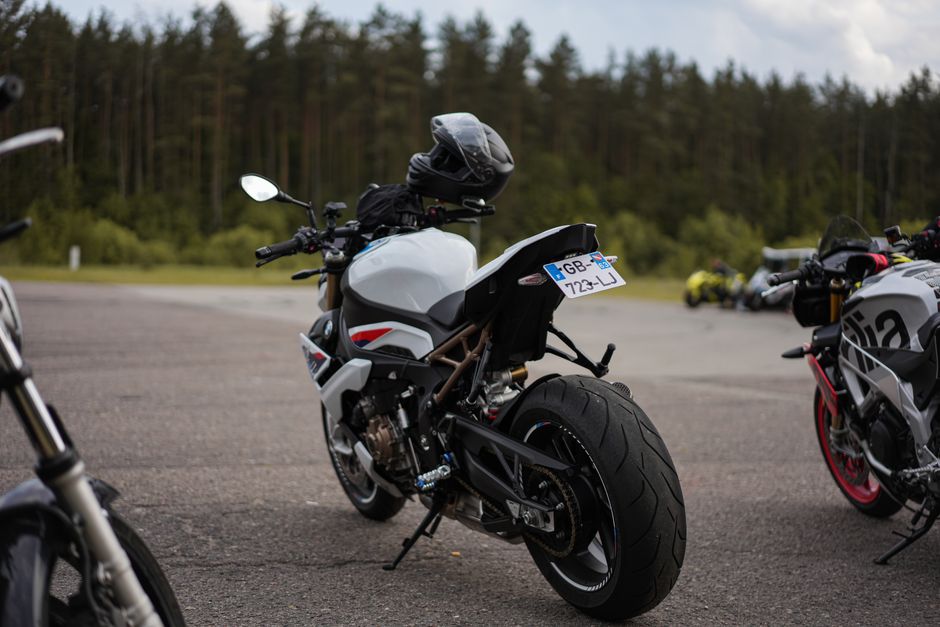
Photo by Shootbyziggy Instagram on Pexels
What Is a Motorcycle License and Why Does It Matter?
A motorcycle license is a government-issued endorsement or standalone credential that legally authorises you to ride a motorcycle on public roads. Without one, you're not just risking a fine, you're uninsured, unprotected, and putting other riders at risk. Whether you're a first-timer eyeing your first Sportster or a seasoned rider relocating to a new country, understanding exactly what license you need is the first practical step before you ever swing a leg over the bike.
Global Rider is built to help you cut through the confusion. Licensing rules vary dramatically by country, state, and even bike engine size, and the Global Rider community is one of the best places to get straight answers from riders who've already done the paperwork in your region.
---
Global Rider Requirements: What You'll Typically Need
Licensing requirements differ by jurisdiction, but most countries follow a broadly similar framework. Here's what to expect:
Minimum Age
Most countries set the minimum age for a full motorcycle license at 17–18 years old. Some nations allow restricted licenses for smaller-displacement bikes (typically under 125cc) from age 16.
Written Knowledge Test
Almost every licensing authority requires a written or computer-based theory test covering road rules, hazard perception, and motorcycle-specific safety knowledge. Study your local highway code and motorcycle-specific regulations before booking.
Practical Skills Test
A controlled riding test, usually conducted in a car park or closed course, assesses low-speed manoeuvres, emergency stops, and basic handling. Many countries also include an on-road component.
Medical Fitness
You'll typically need to declare any medical conditions that could affect your ability to ride safely. Some jurisdictions require a formal eyesight check or doctor's sign-off.
Mandatory Training Courses
Several countries, including the UK (CBT), Australia (LAMS), and much of the EU (A1/A2/A category progression), require formal rider training before you can sit the practical test. The US does not mandate federal training, but completing a Motorcycle Safety Foundation (MSF) course often waives the DMV skills test and can reduce insurance premiums.
---
The Global Rider Process: Step by Step
Regardless of where you are in the world, the motorcycle licensing process generally follows these steps:
1. Check your local requirements. Use Global Rider's community forums to find riders in your region who can point you to the exact authority and current rules. Regulations change, a local rider's recent experience is often more current than a government website.
2. Complete any mandatory pre-license training. Book an approved course. Don't skip this step even where it's optional, trained riders crash less, and that's a fact backed by decades of safety data.
3. Pass the theory test. Study the official handbook for your jurisdiction. Most licensing authorities publish free practice tests online.
4. Pass the practical test. Practice the specific manoeuvres required in your test, slow-speed control, figure-eights, emergency stops. Many MSF and BikeSafe courses teach exactly these skills.
5. Apply for your license. Submit your test results, ID, and any required fees to your local licensing authority. Processing times vary from same-day to several weeks.
6. Understand any restrictions. New riders in many countries start with a restricted license, limits on engine size, passenger carrying, or nighttime riding. Know your restrictions before you ride.
---
Motorcycle License Classes: What Each One Covers
License categories vary by country, but here are the most common frameworks:
- United States: Most states use a motorcycle endorsement (M or MC) added to your existing driver's license. A few states issue a standalone motorcycle license.
- United Kingdom: Progression through CBT → A1 → A2 → A (full), based on age and engine size.
- European Union: A1 (up to 125cc), A2 (up to 35kW), A (unrestricted, from age 24 or after 2 years on A2).
- Australia: Learner (L) → Restricted (R) → Full (R-date removed), with LAMS-approved bike lists by state.
- Canada: Graduated licensing systems vary by province; Ontario's M1/M2/M system is a common example.
If you're riding internationally, check whether your home license is recognised under a bilateral agreement or whether you need an International Driving Permit (IDP) with a motorcycle endorsement.
---
Global Rider Benefits: How the Community Helps With Licensing
Global Rider isn't a licensing authority, but it's one of the best resources a new or relocating rider can use during the licensing process. Here's why:
- Local knowledge, fast. Post in your regional forum and riders near you will tell you which test centres are easiest to book, which training schools are worth the money, and which requirements changed recently.
- Experienced mentors. Many HOG chapter members and club organisers on Global Rider have been through licensing in multiple countries. That experience is free for the asking.
- Gear and bike advice tied to your license stage. A restricted A2 rider in Europe needs different advice than a full-license US rider. The community knows the difference.
- Ride planning once you're licensed. The moment you pass your test, Global Rider connects you with group runs, events, and routes calibrated to your experience level.
---
Global Rider vs Alternatives: Why Community Beats Going It Alone
You could piece together licensing information from government websites, YouTube videos, and Reddit threads. Plenty of riders do. But here's the honest comparison:
| Resource | Strength | Weakness |
|---|---|---|
| Government websites | Authoritative | Often outdated, hard to navigate |
| YouTube tutorials | Visual, engaging | Region-specific info is hit or miss |
| General forums | Broad reach | Low signal-to-noise ratio |
| Global Rider | Rider-specific, community-verified, Harley-focused | Best for H-D riders specifically |
Global Rider isn't trying to replace official sources, it sits alongside them and fills the gap that bureaucratic language always leaves open.
---
Riding Internationally: What Global Rider Riders Need to Know
If you're planning a trip across borders, Europe by Harley, a US road trip from Canada, or riding through Southeast Asia, your domestic license may not be enough on its own.
- International Driving Permit (IDP): Recognised in over 150 countries under the 1949 and 1968 Vienna Conventions. Apply through your national automobile association before you travel.
- Bilateral agreements: Some countries mutually recognise each other's licenses without an IDP. Check before you assume.
- Insurance: Your home policy almost certainly doesn't cover international riding. Sort cover before you cross any border.
Global Rider's community includes riders who've done cross-border tours on every continent. Before any international trip, it's worth spending ten minutes in the forums, someone has almost certainly ridden the route you're planning and can tell you exactly what paperwork you needed.
---
Getting Started: Your Next Practical Steps
1. Identify your local licensing authority and download the current requirements.
2. Book a recognised training course, even if it's not mandatory where you live.
3. Join Global Rider and find your regional community to get on-the-ground advice.
4. Pass your tests, get your license, and find your first group run.
The road doesn't care how long the process took. It just cares that you show up ready.
Frequently Asked Questions
What do I need to get a motorcycle license?
Requirements vary by country but typically include a minimum age (usually 17–18), a written theory test, a practical riding test, and in many countries a mandatory training course. Some jurisdictions also require a medical declaration or eyesight check.
How long does it take to get a motorcycle license?
Timeline depends on your location and how quickly you can book tests. In the US, completing an MSF course and DMV test can take as little as a weekend. In the UK, progressing from CBT to a full A license takes a minimum of two years due to age and experience requirements.
Can I ride a Harley-Davidson on a restricted motorcycle license?
It depends on the restriction. In Europe, an A2 license limits you to bikes producing no more than 35kW (47bhp). Most full-size Harley-Davidson models exceed this limit, so a full A license is required. In the US, most state endorsements carry no engine-size restriction.
Do I need an International Driving Permit to ride my motorcycle abroad?
In most cases, yes. An International Driving Permit (IDP) with a motorcycle endorsement is recognised in over 150 countries and is required alongside your domestic license when riding internationally. Apply through your national automobile association before travelling.
How can Global Rider help me with the motorcycle licensing process?
Global Rider connects you with experienced riders in your region who can share current, practical information about local licensing requirements, recommended training schools, and test centre availability, the kind of detail that official websites often miss.
Is motorcycle training mandatory everywhere?
No. Mandatory pre-license training exists in the UK (CBT), most EU countries, and Australia, among others. The US has no federal requirement, though state-approved courses like the MSF Basic RiderCourse are strongly recommended and often provide test waivers or insurance discounts.
What is the difference between a motorcycle endorsement and a motorcycle license?
A motorcycle endorsement is an addition to an existing driver's license that authorises motorcycle riding, common in the US and Canada. A standalone motorcycle license is a separate document, more common in Europe and Australia. Both serve the same legal function.