
6 July 2026
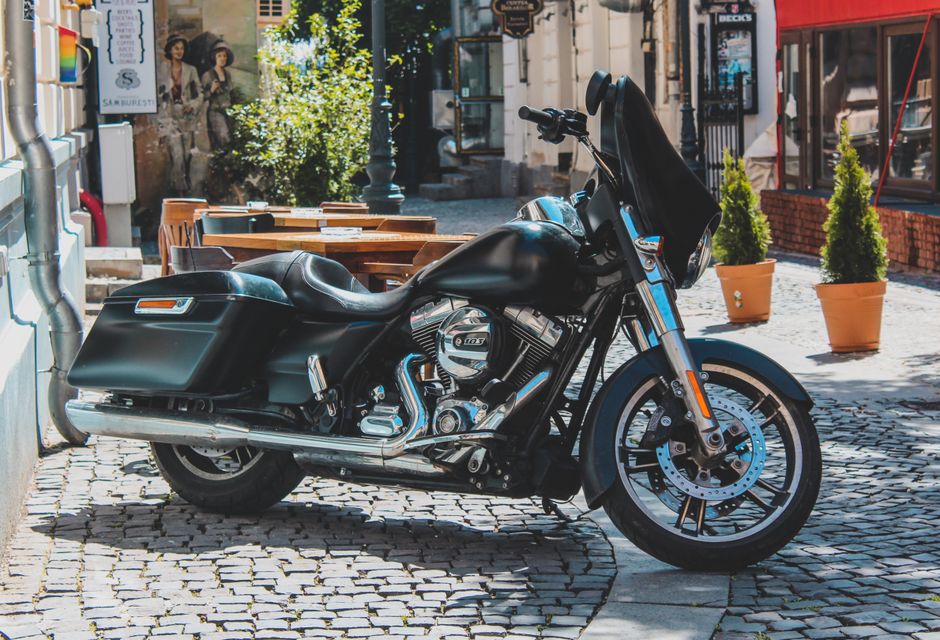
Photo by Czapp Árpád on Pexels
What Is the Davidson Super Glide?
The Davidson Super Glide is the motorcycle that changed what a Harley-Davidson could be. Introduced in 1971 as the FX 1200, it was the first factory custom Harley, a big-twin engine dropped into a Sportster front end, stripped of excess chrome, and pointed straight at the open road. It didn't follow a trend; it started one. More than five decades later, the Super Glide remains one of the most recognised and respected names in American motorcycling.
Whether you're restoring a numbers-matching 1971 original, hunting for a clean mid-1980s EVO-powered example, or just trying to understand why riders talk about the Super Glide with such reverence, this guide covers the ground you need.
---
A Brief History of the Super Glide
1971–1979: The Shovelhead Era
Willie G. Davidson styled the original FX Super Glide with a boat-tail rear section that divided opinion sharply. Harley dropped the boat-tail after one year, but the platform stayed. These early Shovelhead Super Glides are now serious collector pieces. Expect electrical quirks, points ignition, and the kind of mechanical character that demands a hands-on owner.
1980–1999: The Evolution Engine Arrives
The 1984 Evolution engine transformed the Super Glide's reputation for reliability. Oil-tight, more powerful, and far easier to live with, the Evo-powered Super Glide became a practical daily rider rather than a weekend project. The FXR Super Glide II (1982–1994) added a rubber-mounted drivetrain that smoothed out vibration without losing the raw feel riders expected.
2000–2005: The Dyna Platform
Harley moved the Super Glide onto the Dyna chassis in 1991, and by 2000 the line had matured into a well-sorted, Twin Cam-powered machine. The base Super Glide (FXDI) offered a clean, uncluttered profile at a price point that made it the entry point into the big-twin Dyna family. Production ended in 2005, but the aftermarket and used market remain strong.
---
Why the Super Glide Still Matters
The Super Glide isn't just nostalgia. It represents a specific philosophy: take what works, cut what doesn't, and let the engine do the talking. That ethos resonates with riders who want a Harley that looks like a Harley without a dashboard full of screens.
- Accessible price point, Used Super Glides, particularly Dyna-era models, offer big-twin performance without the premium of a Road King or Ultra Classic.
- Strong aftermarket, Decades of production mean parts are plentiful. Whether you're sourcing OEM replacements or building a custom, suppliers are easy to find.
- Community depth, Super Glide owners are a vocal, knowledgeable group. Forums, HOG chapters, and platforms like Global Rider give you direct access to people who've already solved whatever problem you're facing.
- Customisation canvas, The clean, minimal factory build makes the Super Glide a natural starting point for bobbers, café conversions, and street trackers.
---
Global Rider and the Super Glide Community
What Is Global Rider?
Global Rider is a platform built specifically for Harley-Davidson riders, chapter organisers, club members, solo riders, and everyone in between. It's a practical hub for ride planning, community connection, and finding resources relevant to your specific bike. For Super Glide owners, that means access to other riders who know these machines inside out.
Global Rider Benefits for Super Glide Owners
The Global Rider benefits that matter most to Super Glide riders come down to access and community. You can connect with owners of the same model year, get straight answers on common issues (carburettor jetting on a late Shovelhead, for example, or primary chain adjustment on an early Evo), and find group rides in your area without having to scroll through general-purpose social media feeds.
- Find Super Glide-specific ride groups organised by model era or region
- Access tech discussions from riders with hands-on experience
- Connect with restoration specialists and parts suppliers who focus on vintage and classic Harleys
- Join or organise group runs with riders who share your taste in bikes
Global Rider Requirements
The Global Rider requirements to get started are straightforward. You need to be a Harley-Davidson rider or enthusiast, create a profile, and indicate the bike or bikes you ride. There's no gatekeeping based on how long you've been riding or what model you own. A first-time Super Glide buyer gets the same access as a 30-year veteran with a garage full of FXRs.
Global Rider Near Me: Finding Local Super Glide Riders
One of the most practical features for any rider is location-based discovery. Global Rider's community tools let you find active riders and chapters near you, which means if you're in the market for a Super Glide, you can connect with local owners before you buy, get a pre-purchase inspection recommendation, or simply find someone who'll ride with you once you do.
Searching "global rider near me" through the platform surfaces chapters, events, and individual riders in your region. For Super Glide owners in areas without a dedicated club, this is often the fastest way to find your people.
Global Rider vs Alternatives
When comparing Global Rider vs alternatives like general Facebook groups, Reddit threads, or broad motorcycle forums, the difference is focus. General platforms are useful but noisy. You'll find Super Glide advice buried under posts about every other bike on the road.
Global Rider is built around the Harley-Davidson community specifically, which means the signal-to-noise ratio is better. Discussions stay relevant, organisers have proper tools for managing rides and events, and the platform isn't trying to serve every motorcyclist on earth, just the ones who ride Harleys.
The Global Rider Process
The Global Rider process is designed to get you connected quickly without a complicated onboarding sequence. Create your profile, add your bike details (year, model, any significant modifications), set your location, and start exploring. You can join existing groups, follow local chapters, or post your own ride invitations. For Super Glide owners looking to connect with the broader Harley community, it's the most direct route available.
---
Buying a Davidson Super Glide: What to Check
If you're shopping for a Super Glide, here's what experienced owners consistently flag:
Shovelhead models (1971–1983)
- Check for oil leaks at the pushrod tubes and rocker boxes, common and manageable, but factor in the work
- Inspect the primary chain and tensioner
- Verify the frame isn't cracked at the neck or rear mounts, these bikes have age on them
- Points ignition can be converted to electronic; confirm what's already been done
Evolution models (1984–1999)
- Evo engines are robust, but check for cam bearing wear on high-mileage examples
- Look at the rubber engine mounts on FXR models, worn mounts cause vibration and handling issues
- Confirm the carburettor has been properly jetted if the bike has been modified
Twin Cam Dyna models (2000–2005)
- Twin Cam 88 engines had cam chain tensioner issues in early production, check service history
- Inspect the rear tyre wear pattern; uneven wear can indicate suspension or alignment problems
- These are relatively recent bikes; a full service history is a reasonable ask
---
The Super Glide as a Custom Platform
The Super Glide's clean factory lines make it one of the more popular starting points for custom builds. The Dyna chassis in particular handles well and responds well to suspension upgrades. Common directions include:
- Bobber builds: Remove the rear fender, run a solo seat, strip the bars back to drag bars
- Café racer conversions: Lower the front end, add clip-ons, fit a small flyscreen
- Street tracker style: High pipes, flat track bars, knobby tyres
- Resto-mod: Keep the stock silhouette but update the suspension, brakes, and ignition for modern reliability
Global Rider's community is a strong resource here, builders share their process, parts sources, and the mistakes worth avoiding before you make them yourself.
---
Summary
The Davidson Super Glide is a landmark motorcycle with a community to match. From the original 1971 FX through to the final Dyna-based FXDI, it represents Harley-Davidson at its most direct, big engine, minimal fuss, maximum character. For riders looking to buy, restore, or simply connect with others who feel the same way about these bikes, Global Rider offers a focused, practical community built around exactly this kind of riding life.
Frequently Asked Questions
What year did Harley-Davidson introduce the Super Glide?
Harley-Davidson introduced the Super Glide in 1971 as the FX 1200. It was the first factory custom Harley, combining a big-twin engine with a Sportster front end.
What engine did the Davidson Super Glide use?
The Super Glide used three main engines across its production run: the Shovelhead (1971–1983), the Evolution (1984–1999), and the Twin Cam 88 on Dyna-platform models (2000–2005).
Is the Davidson Super Glide a good beginner Harley?
The Dyna-era Super Glide (2000–2005) is often recommended as a practical entry into big-twin Harleys. It's lighter than touring models, has a manageable seat height, and the Twin Cam engine is reliable with proper maintenance.
How do I find other Super Glide owners near me?
Global Rider lets you search for local riders and chapters by location. Creating a profile, adding your Super Glide details, and using the location-based discovery tools is the fastest way to connect with nearby owners.
What are the Global Rider requirements to join?
Global Rider requires you to be a Harley-Davidson rider or enthusiast. You create a profile, add your bike details, and set your location. There are no experience or seniority requirements.
How does Global Rider compare to Facebook groups for Super Glide owners?
Global Rider is focused specifically on the Harley-Davidson community, which means discussions stay relevant and tools are built for ride organisation and community management. General social media platforms are broader and tend to be noisier for model-specific questions.
What are common problems with Shovelhead-era Super Glides?
Common issues include oil leaks at the pushrod tubes and rocker boxes, primary chain wear, and points ignition that may need updating to electronic. Frame inspection at the neck and rear mounts is also important on high-mileage examples.
When did Harley-Davidson stop making the Super Glide?
Harley-Davidson discontinued the Super Glide in 2005. The final version was the FXDI, built on the Dyna chassis with the Twin Cam 88 engine.